Extreme Environment Experts
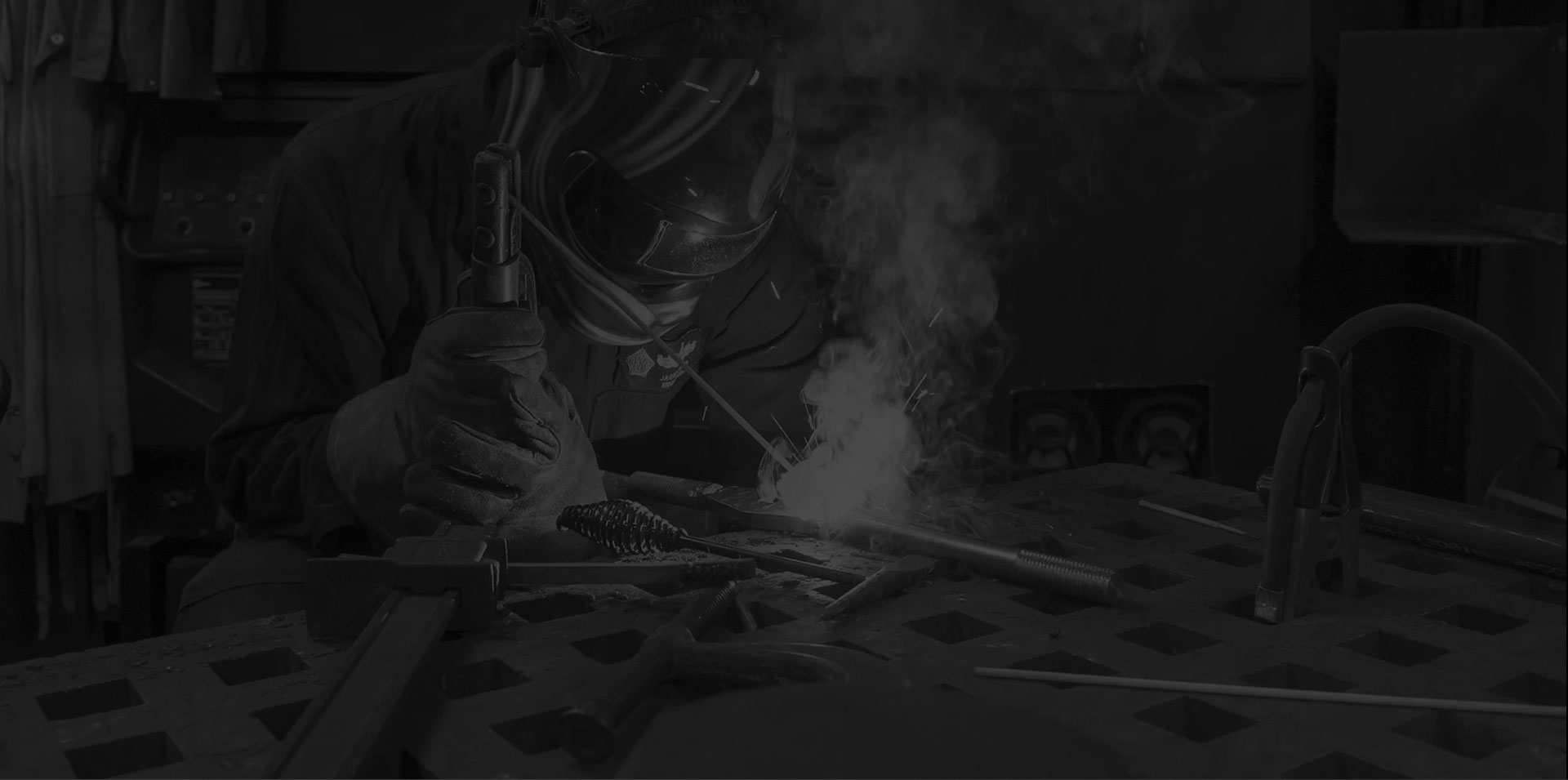
Where carbon steel rusts and stainless steel pits, our 5154 solutions thrive. We provide specialized welding technology for the chemical processing, wastewater, and fertilizer industries. We understand that in these environments, the "as-welded" surface finish is just as important as the structural strength. Our procedures focus on achieving "crevice-free" geometry, ensuring that there are no stagnant zones where corrosive chemicals can concentrate and attack the metal.
Corrosion Performance Data
| pH Stability Range | pH 4.5 to pH 8.5 (Optimal) |
| Pitting Potential (Ep) | −0.75 V (vs SCE) |
| Intergranular Corrosion | Passed (ASTM G67 / Nitric Acid Mass Loss Test) |
| Max Service Temp | 65∘C (to prevent SCC) |
| Cleaning Standard | SSPC-SP 1 (Solvent Cleaning) mandatory |
Corrosive Scenarios
Wastewater Aeration Tanks: Welding components exposed to H2S and high humidity where steel would fail within months.
Nitric Acid Storage (Low Conc): Fabrication of aluminum vessels for the fertilizer industry where 5154 exhibits a lower corrosion rate than most stainless steels.
Coastal Power Plants: Welding aluminum heat sinks and enclosures exposed to continuous salt-air mist.
Solution: Utilizing Electropolishing post-welding to create an ultra-smooth, high-chrome oxide layer that is 10× more resistant to chemical attack.
Professional FAQ
- Q: Can I use 5154 in contact with concrete?A: No. Fresh concrete is highly alkaline (pH >12.5) and will rapidly corrode aluminum. If 5154 must be embedded, it must be coated with a bituminous paint.
- Q: Is 5154 safe for food contact?A: Yes, it is widely used in the food industry as it is non-toxic and does not impart any metallic taste to the products.