English
  Deutsch


What Affects Shelf Life of 4943 Aluminum Welding Wire
Article Directory
- 1 How Does Humidity Affect the Shelf Life of Aluminum Welding Wire?
- 2 Why Does the Storage Environment Matter?
- 3 How Can Packaging Condition Influence Shelf Life?
- 4 Does Opening the Package Change Storage Requirements?
- 5 How Does Temperature Change Affect Stored Welding Wire?
- 6 Why Is Storage Location Important for Aluminum Welding Wire?
- 7 How Can Inventory Management Protect Shelf Life?
- 8 How Should Different Welding Wire Products Be Organized?
- 9 Can Packaging Inspection Help Prevent Storage Problems?
- 10 How Does Stock Rotation Affect Storage Time?
- 11 What Should Businesses Check Before Using Stored Welding Wire?
- 12 How Can Warehouse Practices Support Longer Storage Life?
Aluminum welding wire can spend a genuinely long time sitting in a warehouse before it ever reaches the welding area. During that stretch, the wire stays exposed to whatever conditions surround it, even when nobody's actively handling it day to day. Humidity, temperature changes, packaging condition, storage location, and inventory habits can all shape how well the wire holds up in usable condition.
For manufacturers, distributors, and buyers, shelf life therefore isn't only about how the wire was originally produced on the line. The way it gets packaged, transported, stored, and managed afterward matters just as much. A spool that stays protected in a suitable environment can have a very different storage experience from one left sitting in an uncontrolled corner with damaged packaging.
Different aluminum welding wire products also carry different handling needs depending on their build. Products such as 4943 Aluminum Welding Wire and 5183 Welding Wire need genuine protection during storage, while products such as Aluminium Braided Wire belong to a completely different application category and should get identified separately from the start. Understanding these differences helps businesses organize their stock a lot more carefully.
How Does Humidity Affect the Shelf Life of Aluminum Welding Wire?
Humidity counts as an important factor because moisture can reach the wire whenever storage conditions aren't well controlled. Even when nobody's handling the product directly, humid air can affect exposed surfaces and packaging materials gradually over time, sometimes without anyone noticing until it's too late.
A dry storage environment helps protect the wire's condition considerably. Problems tend to show up more often when moisture enters damaged packaging or lingers around the product for extended periods, which is exactly why warehouse conditions deserve consideration alongside the original packaging itself.
The relationship can be viewed fairly simply.
| Humidity Condition | Possible Storage Concern |
| Dry environment | Supports stable storage |
| Humid air | Can increase moisture exposure |
| Moist packaging | May affect the protected condition |
| Repeated moisture changes | Can create additional storage concerns |
Humidity doesn't act alone in causing problems, of course. Its effect becomes a lot more noticeable once packaging has already been opened, damaged, or stored somewhere unsuitable for the product.
For businesses holding aluminum welding wire for later use, keeping the product away from unnecessary moisture is simply a practical part of everyday stock management.
Why Does the Storage Environment Matter?
A warehouse isn't simply a place where products sit around until someone needs them. Its surrounding conditions genuinely influence the condition of whatever materials get stored inside it, whether people think about that or not.
Areas near open doors, water sources, cleaning operations, or poorly protected outdoor spaces can expose products to shifting conditions throughout the day. Dust and other contaminants also become a real concern once packages get left uncovered for too long.
A suitable storage area should provide a stable, organized environment overall. The product should stay protected from unnecessary exposure and sit somewhere warehouse staff can inspect and move it without accidentally damaging the packaging.
Several environmental factors deserve real attention: moisture in the surrounding air, sudden environmental changes, dust and airborne contamination, direct exposure to outdoor conditions, contact with wet surfaces, and poorly ventilated storage areas that trap humidity.
The goal isn't building some complicated warehouse system with sensors everywhere. It's simply avoiding conditions that place unnecessary stress on the product or its packaging over time.
How Can Packaging Condition Influence Shelf Life?
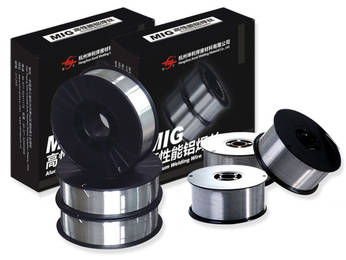
Packaging works as the protective layer sitting between the wire and whatever environment surrounds it. When that layer stays intact, it genuinely helps keep the product in its intended storage condition throughout its time on the shelf.
A damaged package can quickly change that situation. Tears, openings, crushed sections, or other forms of damage can make it easier for outside conditions to reach the wire, with the risk increasing when the product remains in storage for an extended period after the damage occurs.
Packaging condition should therefore get checked during receiving, storage, and inventory movement alike.
| Packaging Condition | Storage Consideration |
| Intact package | Supports protected storage |
| Opened package | Requires closer handling |
| Torn outer packaging | May allow unwanted exposure |
| Crushed packaging | Should be inspected before continued storage |
| Unidentified package | Can create inventory confusion |
This doesn't mean every damaged package automatically makes the wire unusable. The actual condition needs assessing according to the product's own requirements and whatever handling instructions apply to it.
For warehouse teams, the practical point stays simple enough: packaging shouldn't get treated as disposable material with no effect after delivery. It remains a genuine part of the product's protection throughout storage.
Does Opening the Package Change Storage Requirements?
Once a package gets opened, the whole storage situation shifts a bit. The original protection may no longer function the same way, particularly if the product doesn't get used right away.
An opened spool should get handled carefully and kept protected from whatever surrounds it in the workshop. Leaving it uncovered in a busy work area exposes it to dust, moisture, and accidental contact from passing equipment or careless hands.
This matters especially when a welding operation only uses part of a package. The remaining material often heads back into storage rather than getting consumed all at once in a single job.
A simple handling routine can help keep things straight. Open only the package needed for the current task, keep unused wire protected when it's not in active use, avoid leaving open packages in damp areas, check the condition before returning material to storage, and keep product identification attached to whatever wire remains.
These habits cut down on unnecessary exposure and also make inventory tracking noticeably easier for whoever's managing the shelf later.
How Does Temperature Change Affect Stored Welding Wire?
Temperature forms another part of the storage environment worth thinking through. Large swings between surrounding conditions can affect packaging and the general conditions surrounding the stored product over time.
A warehouse may experience quite different conditions depending on its location, building structure, ventilation, and daily operations running through it. Products stored near doors or external walls often experience more environmental variation than products kept in a stable indoor area away from drafts.
The important consideration isn't simply whether a storage area feels warm or cool to someone walking through. It's whether the surrounding conditions genuinely suit the product and stay reasonably controlled throughout the year.
Businesses can think through where the wire sits inside the warehouse, whether that area faces outdoor conditions directly, whether packaging remains intact, whether moisture might accumulate nearby, and whether stored products stay protected from unnecessary environmental swings.
Good warehouse organization tends to make these conditions a lot easier to monitor without extra effort.
Why Is Storage Location Important for Aluminum Welding Wire?
Where a spool actually sits can affect how well it stays protected over time. A convenient location isn't always the same thing as a suitable storage location, even though the two often get confused.
Placing wire directly on a damp floor, for instance, exposes the package to moisture rising up from below. Keeping it beside a frequently used doorway exposes it to shifting outdoor conditions every time that door swings open, and storing it beneath leaking equipment creates an obvious risk that might get missed during normal warehouse activity.
A better approach involves giving welding wire its own defined storage area within the facility. That area should let workers identify products, inspect packaging, and move stock around without causing unnecessary damage along the way.
Products should also stay separated from materials that could contaminate or damage their packaging nearby. For products such as 5183 Welding Wire, clear storage locations make it a lot easier to protect stock from unnecessary handling while also helping workers find the correct product quickly when it's actually needed.
How Can Inventory Management Protect Shelf Life?
Shelf life also ties closely into what happens inside the inventory system itself. A warehouse may hold products received at different times, in different packaging conditions, and destined for different customer orders down the line.
Without a clear system in place, older stock can remain untouched while newer stock gets selected for use instead. This can result in storage periods that extend well beyond what was intended when the shipment arrived.
Inventory management helps businesses keep track of when products actually entered storage and which packages have already been opened by someone.
| Inventory Information | Practical Purpose |
| Product identification | Helps distinguish materials |
| Receiving records | Shows when stock entered storage |
| Package condition | Helps identify items needing attention |
| Storage location | Makes stock easier to find |
| Usage status | Shows whether a package is open |
| Stock movement | Helps monitor inventory changes |
The purpose here isn't creating unnecessary paperwork that nobody reads. Clear records make daily warehouse decisions a lot easier and reduce the chance of forgotten stock sitting untouched in a corner somewhere.
This becomes particularly useful once several aluminum welding wire products end up stored in the same facility together.
How Should Different Welding Wire Products Be Organized?
Product identification matters quite a bit because similar-looking materials often carry different intended uses. 4943 Aluminum Welding Wire and 5183 Welding Wire, for example, are both welding-related products, but they should still get stored according to their own product information and packaging requirements rather than lumped together.
A product such as Aluminium Braided Wire should also stay clearly separated from welding wire on the warehouse floor. Both contain aluminum, sure, but their structures and applications differ enough that mixing product categories can create real confusion during picking, storage, and order preparation.
A simple warehouse layout tends to help sort this out. A welding wire area can keep welding-related products grouped according to type and identification, while an open-package area marks partially used products clearly so they get suitable attention before returning to long-term storage.
An inspection area gives workers a place to check damaged or unclear packages before returning them to normal inventory, and a dispatch area keeps products ready for shipment separate from stock that's still sitting in storage.
Clear separation like this helps reduce handling mistakes without requiring some complicated warehouse redesign.
Can Packaging Inspection Help Prevent Storage Problems?
Regular inspection can catch problems well before they turn genuinely difficult to manage down the line. Workers don't need to perform some complicated inspection every single time they move a package around the floor.
Simple visual checks can still provide useful information in many situations. Look for signs such as damaged outer packaging, unexpected moisture, contamination, loose wrapping, or missing product identification on the spool itself.
The condition of the storage area deserves consideration too, not just the package alone. A damaged package may not have been caused by the product itself at all, and it could instead point to a problem with stacking, movement, transportation, or the surrounding environment nearby.
A practical inspection routine might check the package surface, confirm the product identification, look for signs of moisture, check whether the package has been opened, confirm the product sits in its assigned location, and record any issue that needs further attention from the team.
These steps can fold naturally into normal warehouse work rather than becoming some separate task nobody has time for.
How Does Stock Rotation Affect Storage Time?
Stock rotation helps businesses prevent older products from remaining unused while newer deliveries are consumed instead. It can be particularly useful in warehouses that regularly receive similar products in repeated shipments.
The basic idea is keeping inventory moving according to whatever stock-management system the business already has in place. Products that have sat in storage longer can get reviewed before newer stock gets assigned for use or shipment out the door.
This doesn't mean age alone determines whether welding wire is still suitable for use, though. Product condition, packaging, storage environment, and manufacturer instructions all need consideration alongside how long something's actually been sitting.
Stock rotation can help reduce unnecessary storage periods over time. It can also make warehouse space easier to manage, as workers gain a clearer view of which products are available, which are reserved, and which require inspection before use.
What Should Businesses Check Before Using Stored Welding Wire?
A product that's been sitting in storage should get checked before it enters normal production use, especially when its storage history isn't entirely clear to whoever's pulling it. The inspection should consider the package, the product identification, and the wire's visible condition overall.
If the package has been damaged or exposed to unsuitable conditions along the way, additional evaluation may be appropriate according to whatever product instructions apply. For China 4043 Welding Wire, as with other welding wire products, clear identification matters before the material moves into a working area where mistakes get costly.
Keeping product information attached to the package reduces confusion when several wire types end up stored together on the same shelf. Businesses should also avoid relying purely on appearance when making these calls.
If there's any doubt about storage history or product condition, the appropriate product documentation and supplier guidance deserve a check before the wire goes into actual use.
How Can Warehouse Practices Support Longer Storage Life?
Good storage practices really don't need to be complicated to work well. They come from several small decisions made consistently during receiving, storage, movement, and dispatch, day after day.
A warehouse supports better product protection by keeping storage areas organized, limiting unnecessary environmental exposure, checking packaging condition regularly, and maintaining clear inventory records throughout. The same basic approach carries across different product types without much modification.
4943 Aluminum Welding Wire, for example, may get assigned a defined storage location, while 5183 Welding Wire gets tracked through that same inventory system with its own distinct product identification. Aluminium Braided Wire can stay in a separate product category entirely so different materials don't get mixed together during routine warehouse operations.
Storage conditions also deserve review whenever inventory sits unused longer than expected. If packages repeatedly show signs of moisture, damage, or contamination, the warehouse process itself may need a closer look rather than just the individual package.
This makes shelf life a genuinely practical management issue rather than some fixed property baked into the wire alone. Humidity, environment, packaging, storage location, handling, and inventory movement all interact continuously with the condition of aluminum welding wire while it sits waiting in storage for its turn to get used.
Storage Environment
Keep welding wire away from unnecessary moisture, contamination, outdoor exposure, and unstable surrounding conditions.
Package Protection
Check packaging during receiving, storage, movement, and return to inventory, especially after a package has been opened.
Inventory Control
Maintain clear product identification, storage locations, receiving records, package status, and stock movement information.
Pre-Use Check
Review product identification, packaging condition, storage history, and visible product condition before production use.