English
  Deutsch


5356 Alloy Aluminum Wire vs 4943 and 5183 Compared
Article Directory
- 1 Why Alloy Type Actually Changes the Outcome
- 2 Does the Base Material Dictate the Wire, or Is There Flexibility?
- 3 Impact on Strength and Corrosion Resistance
- 4 Comparison of 5356, 4943, and 5183 Wires
- 5 How Do These Three Actually Stack Up Side by Side?
- 6 Performance Differences That Show Up in Practice
- 7 Application Suitability Across Industries
- 8 Is There Ever a Case for Mixing Wire Types Across One Project?
- 9 Selection Guide for Buyers
- 10 Bringing the Comparison Together
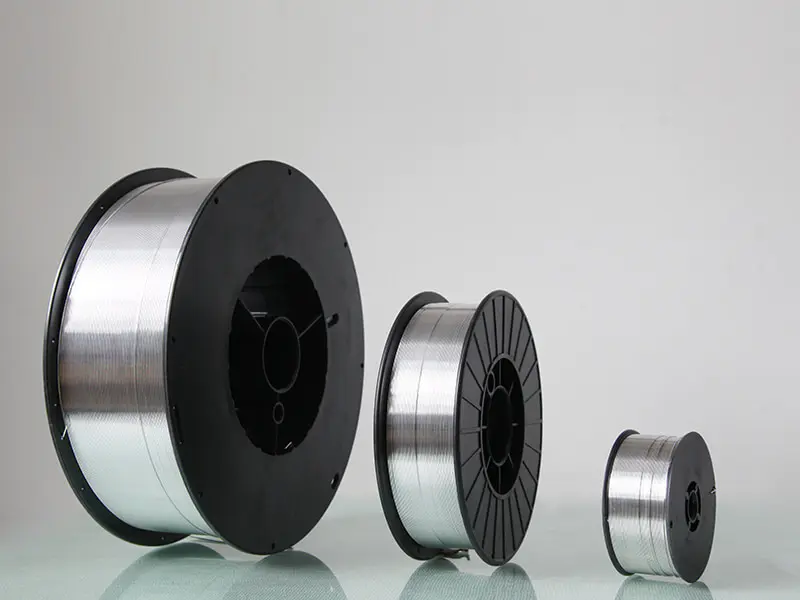
Picking up the wrong spool of filler wire mid project is one of those mistakes that shows up much later than anyone wants, usually as cracking, discoloration, or a joint that just won't hold under stress. Anyone who has dealt with that knows the frustration behind sorting through 5356 Alloy Aluminum Wire options against alternatives like 4943 or 5183, trying to figure out which one actually matches the base material sitting on the bench. This isn't a decision you want to guess your way through.
Why Alloy Type Actually Changes the Outcome
Filler wire isn't interchangeable the way some newer welders assume. Each alloy carries a different mix of elements, magnesium, silicon, sometimes small traces of other metals, and that mix directly shapes how the weld behaves once it cools.
Get the alloy wrong and you're not just dealing with a cosmetic issue. Cracking sensitivity changes, corrosion resistance shifts, and in some cases the weld simply won't bond properly with certain base materials. This is why experienced fabricators rarely treat wire selection as an afterthought, it's baked into the planning stage right alongside joint design and heat input calculations.
Does the Base Material Dictate the Wire, or Is There Flexibility?
Mostly the former, though there's some wiggle room depending on application. Magnesium heavy base alloys generally pair better with magnesium based filler wires, since matching chemistry reduces the risk of galvanic issues or weak intermetallic zones forming at the joint. Silicon based combinations follow a similar logic but lean toward different performance priorities, mainly flow characteristics and crack resistance during cooling.
Impact on Strength and Corrosion Resistance
Strength and corrosion resistance don't always move together, and that's something buyers sometimes overlook when comparing options. A wire chosen purely for tensile performance might underperform in a marine or outdoor environment where corrosion resistance actually matters more over the long run.
Magnesium alloy wires, broadly speaking, tend to hold up better against corrosive exposure, which explains why they show up frequently in marine fabrication or outdoor structural work. Silicon based wires, on the other hand, often get chosen where flow and appearance after finishing take priority over raw corrosion performance.
A few practical questions help narrow this down before ordering:
- Will the finished piece face ongoing outdoor or marine exposure
- Does the application call for post weld anodizing, and does color match matter
- Is the joint under repeated mechanical stress or mostly static load
- Does the base material contain higher magnesium or silicon content
Answering these honestly upfront saves a lot of trouble compared to discovering a mismatch after the project is already welded together.
Comparison of 5356, 4943, and 5183 Wires
This is where things get genuinely specific, since these three wires get compared constantly in industrial welding circles, and each carries its own personality once you get past the surface level similarities.
5356 Alloy Aluminum Wire tends to be a common starting point for general fabrication work involving magnesium alloy base materials. It offers a reasonable balance of strength and workability, which is partly why it shows up so often across structural and general purpose applications rather than being reserved for a narrow use case.
4943 aluminum welding wire takes a different approach, leaning toward silicon content that improves flow characteristics and reduces cracking tendency in certain thin gauge or heat sensitive applications. Fabricators working with more delicate components sometimes favor this option specifically because it behaves more forgivingly under variable heat input.
5183 aluminium mig wire sits closer to 5356 in terms of magnesium content but typically offers a bit more strength, making it a frequent choice where mechanical demands run higher, such as certain marine or transportation applications where joint integrity under stress cannot be compromised.
How Do These Three Actually Stack Up Side by Side?
| Wire Type | Typical Strength Profile | Corrosion Behavior | Common Application Focus |
|---|---|---|---|
| 5356 Alloy Aluminum Wire | Moderate, generally reliable | Reasonably resistant | General fabrication, structural work |
| 4943 aluminum welding wire | Lower relative strength | Good in mild conditions | Thin gauge, heat sensitive components |
| 5183 aluminium mig wire | Higher relative strength | Strong resistance in demanding settings | Marine, transportation, higher stress joints |
Treat this as a general orientation rather than a strict rulebook, since actual performance still depends on base material composition, joint design, and welding technique.
Performance Differences That Show Up in Practice
Numbers on a data sheet only tell part of the story. Fabricators who've worked with all three wires over time often mention subtler differences that don't always show up clearly in written comparisons.
5356, for instance, tends to be forgiving for welders still developing consistency, since it handles slight variations in technique without dramatic performance swings. 4943 rewards more careful heat control but pays off with cleaner results on thinner material where cracking risk runs higher. 5183 demands a bit more attention to joint preparation but delivers noticeably better results under sustained mechanical load once everything is dialed in correctly.
None of this means one wire is universally better. It means each one rewards different working conditions and skill levels, which is exactly why alloy selection deserves more thought than simply grabbing whatever spool happens to be on hand.
Application Suitability Across Industries
Different industries gravitate toward different wires, and this pattern isn't random, it reflects the actual demands each sector places on a welded joint.
Structural fabrication and general manufacturing lean heavily on 5356 Alloy Aluminum Wire because it covers a wide range of scenarios without requiring constant switching between spools. Marine fabrication, transportation components, and anything facing sustained vibration or mechanical stress tend to favor 5183 aluminium mig wire instead, since the added strength margin matters more there than convenience.
Meanwhile, thinner components, decorative pieces, or applications where post weld appearance carries weight often turn toward 4943 aluminum welding wire, particularly when heat sensitivity makes cracking a real concern during the welding process itself.
Is There Ever a Case for Mixing Wire Types Across One Project?
Sometimes, yes. Larger fabrication projects involving multiple component types occasionally call for different wires depending on which section is being joined and what stress profile that particular joint will face. This isn't unusual, though it does require careful documentation to avoid confusion on the shop floor about which spool goes where.
Selection Guide for Buyers
Industrial vs Repair Welding Needs
Industrial production environments typically prioritize consistency and predictable performance across large batches, which often points toward 5356 or 5183 depending on the mechanical demands involved. Repair welding, by contrast, sometimes deals with unknown or mixed base alloys, meaning flexibility and forgiving behavior under variable conditions carry more weight than squeezing out peak strength.
Buyers evaluating aluminum welding wire for sale should also factor in a few practical points beyond the alloy chemistry itself.
- Confirm wire diameter compatibility with existing welding equipment
- Request documentation on chemical composition consistency across batches
- Ask about packaging and spool format suited to production volume
- Clarify whether custom packaging or private label options are available for recurring orders
Skipping these details tends to create downstream headaches, particularly when a batch arrives with slight compositional variance that wasn't caught before large scale production began.
Bringing the Comparison Together
Choosing between 5356 Alloy Aluminum Wire, 4943 aluminum welding wire, and 5183 aluminium mig wire really comes down to being honest about what a project actually demands rather than defaulting to habit or whatever happens to be sitting closest on the shelf. Strength requirements, corrosion exposure, base material composition, and even welder skill level all factor into which alloy makes sense for a given job, and getting this wrong tends to surface as costly rework rather than a minor inconvenience. Buyers weighing these options benefit from asking direct questions about batch consistency and application fit before committing to volume orders, since a supplier who can speak clearly to these distinctions usually signals a more dependable long term partnership. Hangzhou Kunli Welding Materials Co., Ltd. works with fabricators and industrial buyers navigating exactly this kind of alloy selection process, offering production capability across these wire types along with guidance suited to specific application needs, and welcomes an inquiry from any team ready to discuss specifications for their next order.
NEXT:What Makes ER5556 Aluminum Welding Wire a Reliable Choice for High-Quality Welding Applications?